Okinawa-kenpo is a karate style which has been developed based on ancient Okinawan martial arts called "Ti". Its technique and thought were studied and refined by a Tomari-te master, Shinkichi Kuniyoshi (also known as "BUSHI" Kuniyoshi) and passed down to Grand Master Shigeru Nakamura, the founder of Okinawa-kenpo. Grand Master Nakamura opened his own dojo "Okinawa-kenpo Karate-do Shurenjo" at Onaka, Nago city and taught his art of karate.
Written in Japanese.
Japanese fonts required to view this contents
"Okinawa-kenpo" was founded by Grand Master Shigeru Nakamura in 1960 as an association of diverse dojos based on his belief "there is no Ryuha in Okinawa karate".
Participation to a competition in Kyushu as "The All Japan karate-do Federation, Okinawa District" was how it all started. Nakamura felt how strong Japanese karate organization was at the competition and worried about the future of Okinawa karate.
Then, he appealed to all karate-ka in Okinawa for participating to the movement of "Okinawa-kenpo".
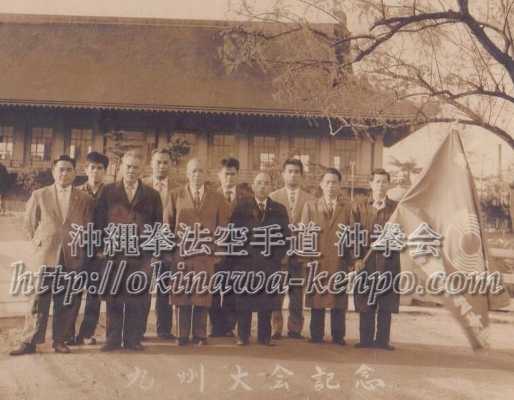
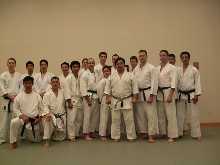
Upper row (left to right): 2nd from left, Komei Tsuha,Hiroshi Miyazato, Toshimitsu Kina
Bottom row (left to right): 2nd from left, Shigeru Nakamura, Shinsuke Kaneshima, Zenryo Shimabukuro
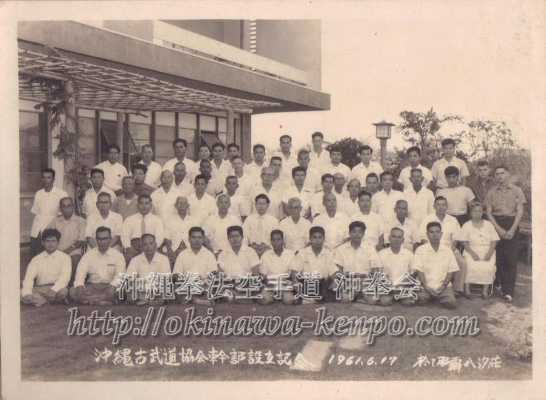
Upper row (left to right): (3rd from left) Kamaichi Nohara, Shinei Kaneshima, Tatsuo Shimabuku, (10th from left) Masami Chinen, Zenryo Shimabukuro
Middle row (left to right): (3rd from left) Shinei Kyan, Shosei Kina, Shinsuke Kaneshima, Seitoku Higa, (8th from left) Seiyu Nakasone, Kenko Nakaima
Bottom row (left to right): Hiroshi Miyazato, Komei Tsuha, (9th from left) Shigeru Nakamura, Joen Nakazato
In June 17, 1961, karate masters from all over Okinawa gathered at Yashio-so, Naha city. At this meeting, they had a discussion about the unification of Okinawa karate and finally came to endorse it (Establishing of Okinawa Kobudo Kyokai).
After Nakamura's passing, the group fell apart. However, Okinawa karate advanced to an era of great development.
Each karate style goes on its own way, and Okinawa-kenpo has become the name of the style which was taught and practiced by the students of Grand Master Nakamura.
Various Ryuha participated in the movement of "Okinawa-kenpo".
Mostly, they were from "The All Japan karate-do Federation, Okinawa District" and "Okinawa Kobudo Kyokai". Exchange of techniques was widely performed among them.
After the death of Nakamura, Okinawa-kenpo was divided into several groups.
Each group inherited Nakamura's will and techniques and developed Okinawa-kenpo in their own way.
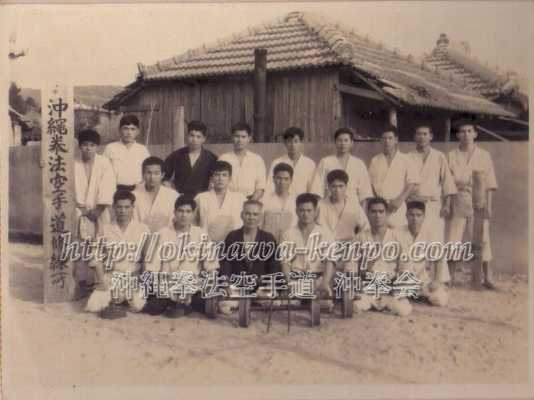
Bottom row, 3rd from left, Grand master Shigeru Nakamura, Shihan-dai Hiroshi Miyazatoo, Toshimitsu Kina
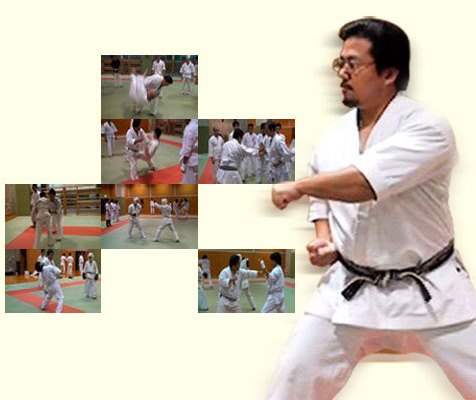
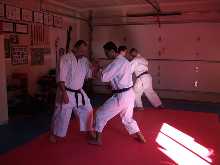
Old style karate techniques and training methods still remain in our system. We train with those methods, which are rarely seen in other Ryuha these days.
Tanren-hou (Training method)
Okinawa-sumo (traditional Okinawan wrestling)
Torite (grabbing)
Buki-jutsu (weapons)
Our techniques, from empty hands to weapons,are incorporated in a coherent system and consist of common basic skills.
Historically, Okinawa-kenpo inherited various Kata.
The following is a list of kata which are practiced at Okinawa-kenpo Karate-do, Oki-ken-kai
Karate
Weapons
Managing a project without mapping dependencies and calculating weighted averages is like driving with a foggy windshield. You might get to your destination, but it is going to be stressful, and you will probably hit some bumps along the way.
If you are interested, I can help you find specialized templates that include: Built-in risk analysis calculations Automated Gantt chart generation from the PERT data Advanced, printable dashboard views
Unlike the basic, static Gantt charts or the free, broken templates floating online, this version offers three standout features:
Some templates also include optional columns for grouping tasks by phase or specifying successors (tasks that depend on this one).
Write the you need for the calculations. Help you draft the task list for a specific project type. Explain how to find the Critical Path manually. pert+chart+excel+template+exclusive
Managing complex projects requires absolute clarity over task dependencies, workflows, and timelines. While there are many project management tools available today, Microsoft Excel remains a preferred choice for professionals due to its flexibility and universal accessibility.
: Note which tasks are "predecessors" (must happen first). Input Three-Point Estimates : Optimistic ( ): Best-case scenario time. Most Likely ( ): Standard expected time. Pessimistic ( ): Worst-case scenario time. Calculate Expected Time ( TEcap T cap E
Marcus smiled, thinking of the silver thumb drive in his pocket. "I just found the right tool for the job."
Break down your project into individual activities and list them in the template's data sheet. Identify Dependencies: Write the you need for the calculations
A PERT chart is an invaluable tool for any project manager dealing with uncertain timelines, complex dependencies, or high‑risk activities. While you could build one from scratch using Excel’s drawing tools and formulas, the time investment is substantial. By using a high‑quality, exclusive Excel template, you can have a fully functional, interactive PERT chart in minutes—complete with automatic calculations, critical path highlighting, and a polished visual layout.
Instead of manually drawing circles or rectangles for every task, an exclusive template generates nodes automatically based on data entered into a structured table. 2. Three-Point Estimation Formulas
Approximately or phases does your project contain?
A standard PERT chart includes these essential elements: enter your Optimistic ( )
. These activities have no slack — any delay extends your project completion date. Consider assigning your best resources to critical path tasks and monitoring them more frequently.
Eliminates manual drawing; updating the data table updates the chart instantly.
Navigate to the data entry tab of your template. List every major task required to complete the project. Break large phases down into actionable steps. Step 2: Input Your Time Estimates For each task, enter your Optimistic ( ), Most Likely ( ), and Pessimistic (
Our solves all three problems.
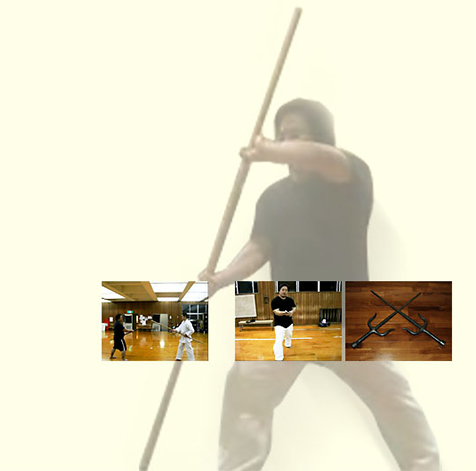
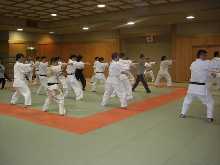
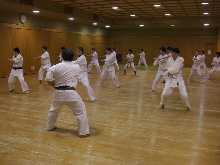
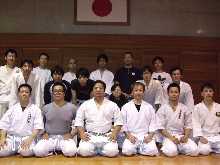
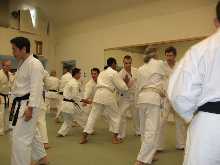
We, Okinawa-kenpo Karate-do Oki-Ken-Kai, work on in a unit called "Keiko-kai".
is a group of like-minded people to practice Okinawa-kenpo any time and anywhere.
Today, there are Keiko-kai in eight region Japan;
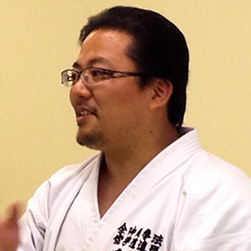
Shihan Yamashiro visits each Keiko-kai regularly, trains them, and conducts open seminars.


Shihan Yamashiro has been invited by masters of other styles, and conducted seminars regularly.


He started practicing karate when he was little with his father, Tatsuo Yamashiro, who inherited "Ti" from Hiroshi Miyazato.
He won 1st place at "All Okinawa Full Contact Fighting with Bogu Gear Tournament" in 1992 and 1993,
Written in Japanese.
Japanese fonts required to view this contents