 +91-9782216504
 info@niyamatech.in
+91-9782216504
info@niyamatech.in
info@niyamatech.in
+91-9782216504
info@niyamatech.in

. The server is configured to trust this custom header, assuming that only a developer would know to send it. When present, the server bypasses standard authentication checks and grants access to sensitive data, such as a user's private notes or a "flag". How to Execute the Bypass
It can be gated so that it only works in "development" or "staging" environments, theoretically preventing it from working in production. Major Security Risks
Use server-side configuration flags that are physically absent from the production environment. Mutual TLS (mTLS): Require a specific certificate that only developers have. Internal IP Whitelisting:
The header is a professional, surgical way to handle temporary bypasses. It keeps your codebase clean, your workflow fast, and your staging environments accessible without the headache of constant configuration tweaks. Just remember: always wrap your bypasses in environment checks to ensure they never see the light of day in production. note jack temporary bypass use header xdevaccess yes better
For front-end debugging or Node.js integration tests, include the header in your request options: javascript
to automatically inject the header into every request, making it seamless for local testing. Specific Scope:
Here are the security principles that define a "Better Bypass" than the X-Dev-Access method: How to Execute the Bypass It can be
Because this bypass logic usually lives in your middleware or API gateway (like Nginx, Kong, or a custom Express/Go middleware), you don't have to touch your core business logic. You aren't "breaking" your code to test it; you are simply providing an alternative entry condition. 2. Effortless Implementation
const devBypass = (req, res, next) => if (process.env.NODE_ENV !== 'production') if (req.headers['x-dev-access'] === 'yes') return next(); // Bypass security logic // Run standard auth logic here ; Use code with caution. The Verdict
The Note Jack temporary bypass, using X-Dev-Access: yes , highlights a common pitfall where convenience takes precedence over security. While it makes development and testing "better" and faster in the short term, it serves as a critical security vulnerability if not removed properly. Internal IP Whitelisting: The header is a professional,
curl -X GET "https://api.yourdomain.com/debug/db_dump" \ -H "XDevAccess: yes" \ -H "Note-Jack: bypass_logged"
This blog post explores a common developer pitfall: leaving "temporary" bypasses in production code. Inspired by a popular challenge, we’ll look at why a simple line like NOTE: Jack - temporary bypass: use header X-Dev-Access: yes is a major security risk and how to handle development access the right way.
What is generating the upstream queries? Share public link
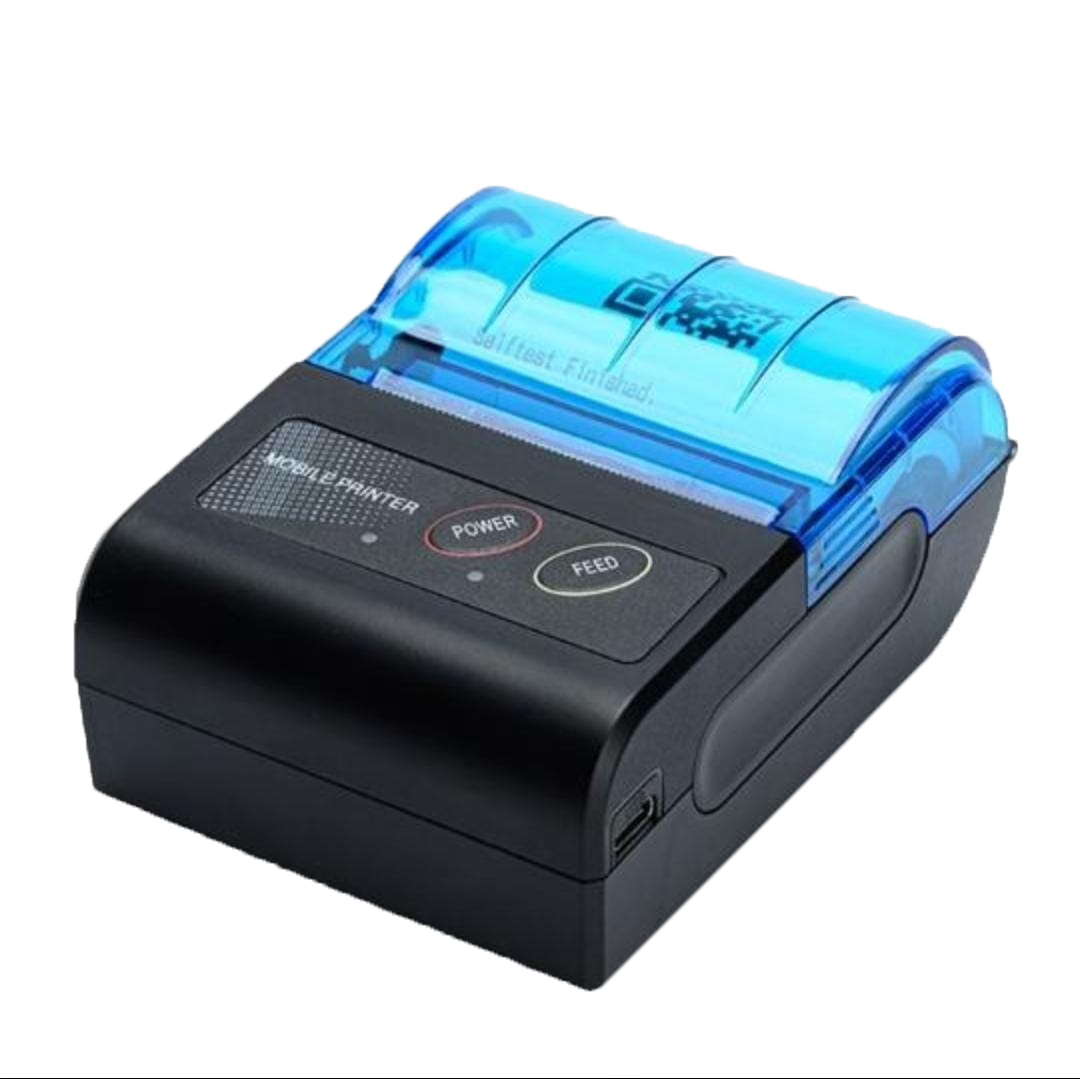
₹9,500 ₹3,500.00
205 Grams, Small Portable Size Easy to carry around. Pocket Friendly for bill printing in POS systems, Spot printing, for Billing, Ticket and Receipt printing. Auto Bluetooth Pairing, for hassle free operation.
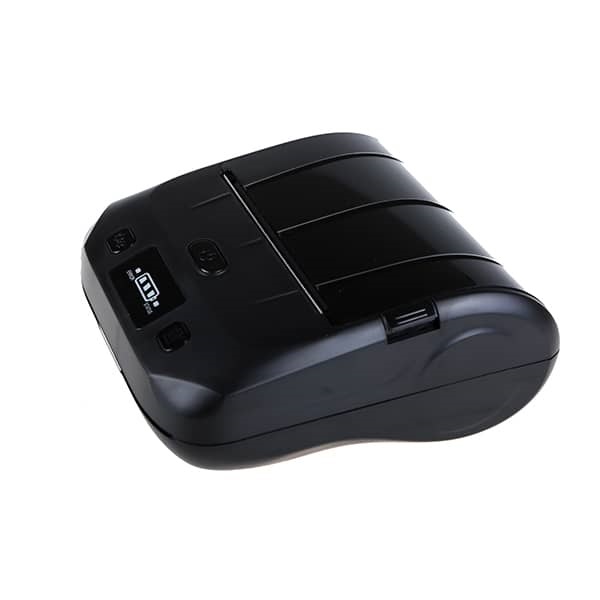
₹15,000 ₹5,500.00
400 Grams, No ribbon, no ink cartridge. Printer Head with Life cycle upto 50 Kms. Perfect product to be used in Supermarkets, Retail stores, Restaurants, etc. Auto Bluetooth Pairing, for hassle free operation.
 30, C-class, Pratap Nagar, Udaipur - 313001
 +91-9782216504